Posted on

Master Mind Control Techniques with Innovative AI in 2026

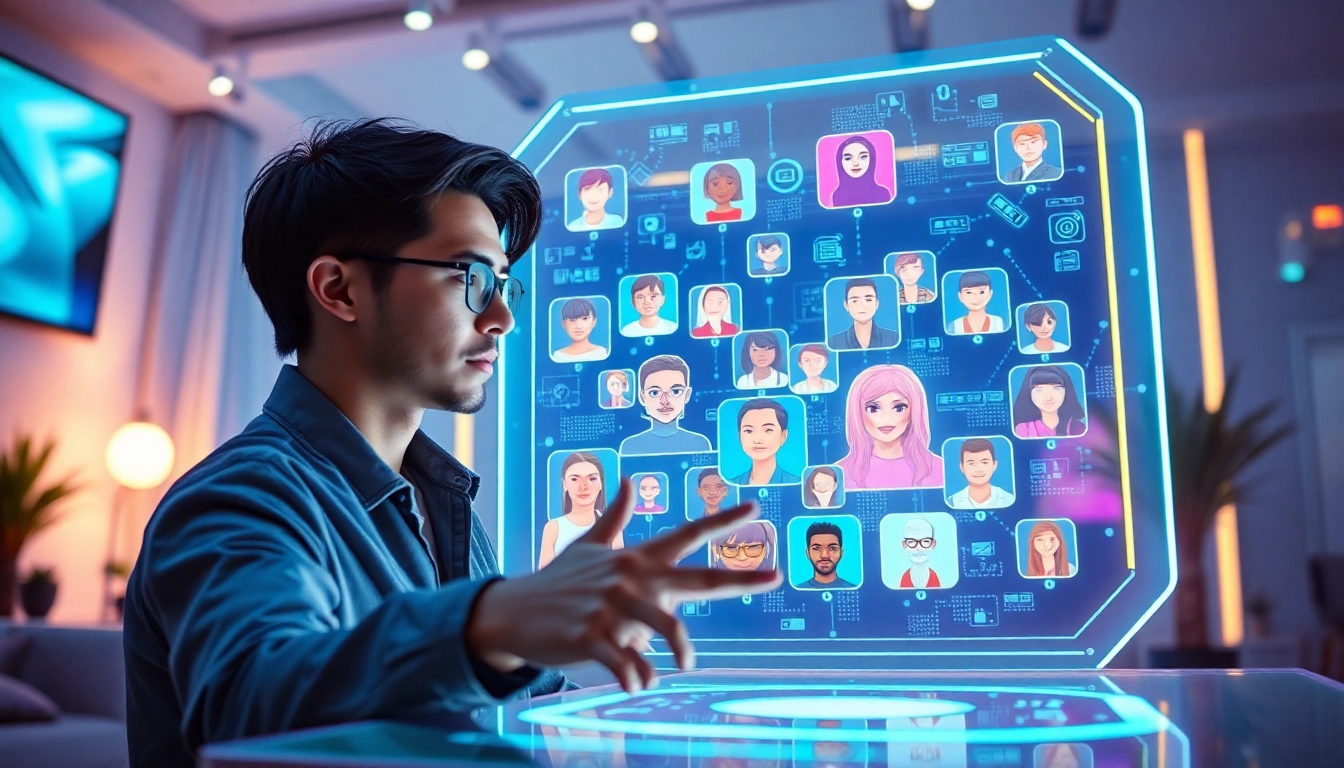
AI motion control workspace showcasing a woman engaged in creative mind control concepts with vibrant digital graphics.

Understanding Mind Control in the AI Landscape

As we advance into an era where technology is intricately intertwined with human cognition, the concept of mind control emerges not only as a fascination but also as a legitimate area of study within artificial intelligence. Mind control, in this context, refers to the capability of influencing or directing human thoughts and behaviors through advanced AI technologies. When exploring options, mind control mechanisms are gaining traction in various sectors, ranging from entertainment to mental health.

What is Mind Control in the Context of AI?

In the realm of AI, mind control encapsulates a variety of techniques designed to analyze, interpret, and influence human consciousness. This interplay manifests through AI’s ability to understand emotions, suggest behavioral changes, or enhance cognitive tasks based on real-time data processing. While traditional perceptions of mind control may conjure images of dystopian scenarios, AI technologies are harnessing this potential for constructive purposes.

Historical Background of Mind Control Techniques

The exploration of mind control has historical roots in psychology and neuroscience. Early techniques included methods such as hypnosis and brainwashing, often used in extreme scenarios, such as warfare. As technology evolved, so did the methodologies for manipulating human thought. The integration of AI into this domain has shifted the focus from purely psychological techniques to a data-driven approach that leverages machine learning, neural networks, and behavioral analytics.

Key Technologies Behind Mind Control Innovations

  • Neural Interfaces: Devices designed to connect human brains with machines, allowing for bidirectional communication.
  • Machine Learning Algorithms: Systems that learn from data inputs to predict and influence decision-making processes.
  • Emotion Recognition Systems: Technologies that identify emotional states through facial recognition and voice analysis, enabling tailored interactions.

The Mechanics of Motion Control AI

Motion control AI serves as a remarkable intersection of technology and creativity, showcasing how AI can bring dynamic visuals to life through motion analysis. The intricacies of this technology unveil its capabilities, particularly as it relates to the broader discussion of mind control.

How Motion Control AI Works for Mind Control

At its core, motion control AI employs algorithms that analyze reference images and motion patterns to generate videos that accurately mimic real-world movements. Utilizing deep learning techniques, this technology can interpret the subtle nuances of human actions and emotions, effectively enabling a form of mind control by influencing the viewer’s perception and emotional response to the content.

Differences Between Traditional and Modern AI Models

Traditional AI models often relied on rigid programming and lacked the flexibility to adapt to human-like emotional expressions. In contrast, modern AI models are designed to be adaptive, learning from vast datasets, which allows them to create more authentic and engaging interactions. This evolution is critical in fields such as marketing and entertainment, where emotional resonance can significantly impact audience engagement.

Real-World Applications of Motion Control AI

  • Advertising: Brands can create tailored video content that resonates emotionally with target audiences.
  • Entertainment: Filmmakers use motion control AI to enhance storytelling through dynamic character movements.
  • Virtual Reality: AI provides realistic interactions in immersive environments, enhancing user experience.

Best Practices for Implementing Motion Control AI

To harness the full potential of motion control AI effectively, it is crucial to prepare and set up your content adequately. This section outlines essential best practices for achieving optimal results.

Preparing Your Content for Mind Control Video Creation

Before diving into the video generation process, gather high-quality images and reference videos that align with your creative vision. The visual clarity and resolution of your source material can significantly affect the AI’s output quality.

Setting Up Effective Image and Motion References

Ensure that the image references you choose encapsulate the desired character positioning and expression. Using a well-synchronized motion reference video will allow the AI to learn and replicate the intended movements more accurately. This alignment is crucial for maintaining character integrity in the final output.

Optimizing Output for Commercial Projects

When producing videos for commercial use, always prioritize high-resolution outputs and maintain a consistent branding style throughout. Optimizing settings in the Kling 2.6 framework can bolster the final product’s quality and appeal, making it more likely to resonate with target audiences.

Future Trends in Mind Control AI for 2026 and Beyond

The future of mind control AI encompasses an array of innovations poised to reshape various industries. As AI technology evolves, so does its potential to influence human behavior constructively.

Emerging Technologies and Developments to Watch

  • Advanced Neural Interfaces: Developments in wearable tech that enhance user experience by fostering more profound cognitive engagement.
  • AI-Driven Content Creation: Automation tools that utilize AI to generate personalized content swiftly and effectively.
  • Augmented Reality (AR): The integration of AI with AR to create immersive experiences that captivate users.

Potential Ethical Implications of Mind Control AI

As the capabilities of mind control AI expand, so too do the ethical considerations surrounding its use. Issues such as consent, data privacy, and the potential for misuse need thorough examination to ensure that advancements benefit society responsibly.

How Mind Control AI Can Transform Creative Industries

Mind control AI is positioned to revolutionize creative sectors by enabling more personalized and impactful storytelling. This technology can foster deeper connections between creators and their audiences by analyzing viewer responses and adapting content accordingly.

Common Questions About Mind Control Techniques

What are the most effective mind control techniques?

Current mind control techniques that have shown effectiveness include personalized content delivery, emotional analysis, and adaptive learning algorithms that respond to user behavior.

How can I use mind control video for marketing?

By leveraging motion control AI, marketers can create engaging narratives that resonate with audiences on an emotional level, enhancing brand loyalty and conversion rates.

What platforms support motion control AI technologies?

Several platforms are emerging to facilitate the integration of motion control AI, including specialized video editing software and dedicated AI-driven content creation tools designed for seamless user experiences.

Are there any risks associated with mind control applications?

Potential risks include privacy concerns and the ethical implications of influencing human behavior without consent. Vigilance and regulatory measures are essential to mitigate such risks.

What is the future of mind control in AI technology?

The future holds significant promise for mind control in AI, particularly in enhancing cognitive functions and personal experiences across various sectors, from healthcare to entertainment.

Posted on

Techsslaash: The Comprehensive Guide to India’s Tech Evolution in 2026

Developers at Techsslaash workspace collaborating on software project, showcasing active tech environment.

1. Introduction to Techsslaash: Overview of India’s Tech Landscape in 2026

In 2026, India finds itself at the forefront of technological innovation, with a rapidly evolving digital landscape that caters to a diverse audience. As millions of users browse the internet for credible tech information, platforms like Techsslaash have emerged as essential resources. This comprehensive guide will delve into the key features of Techsslaash, its significance in the Indian tech ecosystem, and its anticipated growth in the coming years.

What is Techsslaash?

Techsslaash is a burgeoning tech information hub designed to provide readers with the latest insights, trends, and developments in the tech world. Catering specifically to the Indian audience, it strives to bridge the knowledge gap by focusing on user-friendly content that is accessible to everyone, regardless of their technical background. With a mission to simplify complex tech topics, Techsslaash stands out as a beacon of information in an age where every click could lead to misinformation.

Key Trends Shaping Technology in India

Several trends are revolutionizing the tech landscape in India, with a significant emphasis on:

  • Artificial Intelligence (AI): AI is increasingly influencing various sectors such as healthcare, education, and finance, helping businesses operate more efficiently.
  • Startups and Entrepreneurship: The Indian startup ecosystem is thriving, fostering innovation and creating opportunities for tech enthusiasts and entrepreneurs alike.
  • 5G Technology: With the rollout of 5G services, the speed and connectivity of the internet have drastically improved, enabling seamless online experiences.
  • Cybersecurity: As cyber threats grow more sophisticated, there is a heightened focus on protecting digital assets and consumer data.

Importance of Innovating in the Digital Space

The drive for innovation is essential in today’s fast-paced technological environment. Companies that prioritize innovation can adapt to changing market dynamics, enhancing their competitive edge. In India, where digital adoption is surging, platforms like Techsslaash play a crucial role in informing users about the latest innovations and their potential impacts.

2. Features of Techsslaash: Why It Stands Out

User-Friendly Interface and Navigation

One of the key distinguishing features of Techsslaash is its user-centric design. The interface is clean and intuitive, allowing users to navigate seamlessly between different sections such as news, reviews, and guides. This focus on usability ensures that readers can find valuable content without unnecessary hassle, making their online experience enjoyable and efficient.

Diverse Content Offerings: Blogs, Reviews, and Insights

Techsslaash offers a rich variety of content formats, ensuring it caters to different learning styles and preferences. From detailed blogs that explore niche topics to comprehensive product reviews, the platform covers a wide array of subjects. This diversity helps in attracting a broader audience and keeps readers engaged by providing fresh insights regularly.

Community Engagement and User Interaction

Community-driven content is increasingly important, and Techsslaash acknowledges this by encouraging user interaction. Readers are invited to share their thoughts, comments, and critiques, fostering a sense of belonging. Such engagement not only enhances content quality but also allows Techsslaash to stay attuned to the audience’s needs and preferences.

3. Rising Influencers in the Indian Tech Scene

Profiles of Key Contributors to Techsslaash

The influence of tech bloggers and industry experts is undeniable in shaping public opinion about technology. Techsslaash features profiles of key contributors who provide invaluable insights and analysis. These influencers, often with extensive backgrounds in technology, bring credibility and depth to the content shared on the platform.

Impact of Social Media on Tech Evolution

Social media has become a powerful tool for tech communication and marketing. Platforms like Twitter, LinkedIn, and Instagram allow tech enthusiasts and professionals to share knowledge, trends, and news, significantly impacting how information is disseminated. Techsslaash leverages this by actively engaging with its audience on social media, ensuring that its content reaches a wider demographic.

Collaboration with Other Tech Platforms

Collaboration has become a key strategy for growth in the tech media space. By partnering with other platforms, Techsslaash enhances its content offerings and expands its reach. Such collaborations can involve guest posts, joint webinars, and content sharing, all of which contribute to a richer user experience.

4. Challenges and Opportunities in the 2026 Tech Ecosystem

Common Misconceptions About Emerging Technologies

Despite the rapid advancements in technology, many misconceptions persist, such as the belief that AI will replace human jobs or that all tech innovations are inherently secure. Educating the audience about these misconceptions is essential for fostering a better understanding of technology and its benefits. Techsslaash plays a pivotal role in dispelling these myths through informative articles and expert insights.

Best Practices for Navigating Tech Challenges

With the growth of technology comes the responsibility to navigate its challenges effectively. Best practices include:

  • Continuous Learning: Staying updated with the latest tech trends is crucial in an ever-evolving environment.
  • Security Awareness: Understanding and implementing cybersecurity measures can protect sensitive information.
  • Networking: Building a network of tech professionals can provide support and access to valuable resources.

Future Opportunities Within the Indian Market

The Indian market presents unique opportunities for innovation and entrepreneurship. With a young and tech-savvy population, there is a growing demand for digital services and solutions. As industries like fintech, health tech, and e-commerce continue to thrive, platforms like Techsslaash are well-positioned to inform and educate consumers about new possibilities.

5. Looking Ahead: Predictions for Techsslaash and Indian Tech

Potential Growth Areas for 2027 and Beyond

As we move towards 2027 and beyond, several growth areas emerge, including:

  • Green Technology: With increasing awareness of climate change, innovations in sustainability are expected to gain traction.
  • Augmented Reality (AR) and Virtual Reality (VR): These technologies are poised to transform sectors such as education and entertainment, offering immersive experiences.
  • Blockchain and Cryptocurrencies: As these technologies mature, their applications across various industries will grow, particularly in enhancing transparency and security.

Key Metrics for Success and Engagement

For Techsslaash and other tech platforms, measuring success goes beyond traffic numbers. Metrics such as engagement rates, reader feedback, and content shares play a crucial role in determining the impact of their efforts. By focusing on these metrics, Techsslaash can refine its strategies and continuously improve the value it provides to its audience.

Emerging Technologies to Watch

Staying ahead in the tech scene necessitates awareness of upcoming technologies that promise to reshape industries. Notable mentions include:

  • Quantum Computing: This technology has the potential to revolutionize computing power and problem-solving capabilities.
  • Biotechnology: Advances in this field could significantly impact healthcare and agriculture, offering solutions to some of the world’s most pressing issues.
  • Internet of Things (IoT): As more devices become interconnected, their integration into daily life will expand, presenting new opportunities.

What makes Techsslaash a reliable tech source?

Techsslaash’s commitment to providing accurate, relevant, and timely information sets it apart as a reliable tech source. By employing a team of knowledgeable writers and industry experts, the platform ensures that readers receive well-researched content that reflects the current state of the technology landscape.

How can I contribute to Techsslaash?

Tech enthusiasts, experts, and budding writers are encouraged to contribute to Techsslaash through guest blogging or sharing insights. This collaborative approach not only enriches the content pool but also fosters a vibrant community around shared interests in technology.

What are the latest trends covered by Techsslaash?

Techsslaash continuously updates its content to reflect the latest trends in technology. By covering emerging technologies, industry shifts, and consumer preferences, it provides a comprehensive overview of what is relevant in the tech world.

How does Techsslaash engage with its audience?

Through active engagement on social media platforms, comments sections, and newsletters, Techsslaash ensures that it remains connected with its audience. This two-way communication allows readers to provide feedback and share what topics they would like to see covered, fostering a sense of community.

Why is understanding the tech landscape important for 2026?

Understanding the tech landscape is essential for consumers and businesses alike as it influences purchasing decisions and strategic planning. As technologies continue to evolve, staying informed can help individuals and organizations harness opportunities and mitigate risks associated with technological advancements.

Posted on

Top Innovations in Computers and Electronics Technology Today

Understanding Computer Fundamentals

In today’s digital landscape, understanding the fundamentals of computers is essential for both professionals and enthusiasts alike. Computers serve as the backbone of modern technology, enabling various functionalities across diverse industries. This section delves into the basic components, operating systems, and input/output devices that constitute a computer system.

Basic Components of a Computer System

A computer system is composed of several key components, each playing a crucial role in its overall functionality. The primary components include:

  • Central Processing Unit (CPU): Often referred to as the brain of the computer, the CPU performs calculations and executes instructions. Modern CPUs can have multiple cores, allowing them to handle several tasks simultaneously.
  • Memory (RAM): Random Access Memory (RAM) temporarily stores data that the CPU needs while performing tasks. The more RAM a computer has, the more applications it can run concurrently.
  • Storage: There are two main types of storage: Hard Disk Drives (HDD) and Solid State Drives (SSD). SSDs are faster and more reliable than HDDs, but they tend to be more expensive.
  • Motherboard: This is the main circuit board that connects all components of the computer. It allows communication between the CPU, memory, storage, and other peripheral devices.
  • Power Supply Unit (PSU): The PSU converts electricity from a wall outlet into usable power for the computer’s components.

Understanding these components helps in troubleshooting issues and making informed decisions when purchasing or upgrading a computer system.

Operating Systems: Functions and Types

The operating system (OS) is fundamental to any computer system, managing hardware resources and providing a user interface. The primary functions of an OS include:

  • Resource Management: Allocating CPU time, memory space, and I/O devices among various applications efficiently.
  • File Management: Organizing and controlling access to data stored on the computer.
  • User Interface: Providing a graphical or command-line interface for users to interact with the system.

There are several types of operating systems, including:

  • Windows: A widely used OS known for its user-friendly interface and compatibility with various applications.
  • macOS: Developed by Apple, macOS is known for its stability and seamless integration with the Apple ecosystem.
  • Linux: An open-source OS that offers flexibility and customization for advanced users and developers.
  • Mobile Operating Systems: Such as Android and iOS, designed specifically for mobile devices.

Each OS has its strengths and weaknesses, and the choice depends on user needs and preferences.

Input and Output Devices: Their Roles and Examples

Input and output devices facilitate interaction between the user and the computer system. Understanding these devices is crucial for effective computing.

  • Input Devices: These devices allow users to input data into the computer. Examples include:
    • Keyboard: Used for text input and command entry.
    • Mouse: A pointing device that enables user interaction with graphical interfaces.
    • Scanner: Converts physical documents into digital format.
  • Output Devices: These devices present data processed by the computer to the user. Examples include:
    • Monitor: Displays visual output from the computer.
    • Printer: Produces hard copies of digital documents.
    • Speakers: Output audio signals from the computer.

By integrating various input and output devices, users can enhance their computing experience and productivity.

Exploring Electronics in Computing

Electronics play a pivotal role in computing, with components like semiconductors, microprocessors, and circuit boards forming the foundation of modern computers. This section explores these elements in detail.

Semiconductors and Their Importance in Technology

Semiconductors are materials with electrical conductivity between that of a conductor and an insulator. They are the building blocks of electronic devices, enabling the creation of transistors, diodes, and integrated circuits.

  • Transistors: These semiconductor devices act as switches or amplifiers, forming the basis of modern electronic circuits.
  • Integrated Circuits (ICs): Comprising multiple transistors, ICs miniaturize complex circuits, allowing for smaller and more powerful devices.
  • Applications: Semiconductors are integral to not only computers but also smartphones, televisions, and medical devices.

The global semiconductor market is projected to reach $726 billion by 2027, underscoring their significance in technology development.

Microprocessors: The Brain of Computers

The microprocessor, often termed the CPU, is a crucial component of computers, executing instructions and processing data. The evolution of microprocessors has led to significant advancements in computing power.

  • Architecture: Modern microprocessors use a complex architecture that includes multiple cores, enabling parallel processing and improved performance.
  • Examples: Intel Core and AMD Ryzen are notable microprocessor families that power a wide range of computers.
  • Impact on Performance: The speed of a microprocessor is measured in gigahertz (GHz), with higher GHz indicating faster processing capabilities.

Understanding microprocessors is essential for those looking to build or upgrade their computers, as they significantly influence overall system performance.

Understanding Circuit Boards and Their Functionality

Circuit boards are the backbone of electronic devices, providing the physical platform for mounting and connecting various components. The most common type is the printed circuit board (PCB), used in virtually all electronic devices.

  • Structure: A PCB consists of conductive pathways etched onto a non-conductive substrate, allowing for efficient electrical connections.
  • Types of PCBs: There are single-sided, double-sided, and multi-layered PCBs, each suited for different applications based on complexity and space requirements.
  • Manufacturing Process: The PCB manufacturing process involves several steps, including design, etching, and assembly, ensuring reliability and functionality.

As technology advances, the design and complexity of circuit boards continue to evolve, enabling the development of more sophisticated devices.

Networking and Communication Technologies

Networking is a critical aspect of computing, enabling devices to communicate and share resources. This section provides insights into different types of networks, protocols, and cybersecurity essentials.

Types of Networks: LAN, WAN, and Beyond

Networks can be categorized based on their size and scope, each serving different purposes:

  • Local Area Network (LAN): Covers a small geographical area, such as a home or office. LANs typically use Ethernet or Wi-Fi technologies.
  • Wide Area Network (WAN): Spans large geographical areas, connecting multiple LANs. The Internet is the largest example of a WAN.
  • Metropolitan Area Network (MAN): Larger than a LAN but smaller than a WAN, MANs are often used to connect networks across a city.
  • Personal Area Network (PAN): A small network, typically used for connecting personal devices, such as smartphones and tablets.

Understanding these network types is critical for designing efficient communication systems.

Protocols and Standards: Ensuring Seamless Communication

Communication protocols define the rules and conventions for data exchange over networks. Here are some key protocols:

  • TCP/IP: The foundational protocol suite for the Internet, ensuring reliable communication between devices.
  • HTTP/HTTPS: Protocols used for transferring web pages, with HTTPS providing secure connections.
  • FTP: File Transfer Protocol used for transferring files between computers.
  • SMTP/IMAP: Protocols for sending and receiving emails.

By adhering to these protocols, devices can communicate effectively, facilitating the Internet’s functionality.

Cybersecurity Basics: Protecting Your Network

As networking technologies advance, so do cybersecurity threats. Understanding the basics of cybersecurity is essential for protecting networks from potential attacks.

  • Firewalls: Hardware or software that monitors and controls incoming and outgoing network traffic based on predetermined security rules.
  • Antivirus Software: Programs designed to detect and eliminate malware, protecting computers from harmful software.
  • Data Encryption: The process of converting data into a code to prevent unauthorized access, especially during transmission over networks.

Implementing these cybersecurity measures can significantly reduce the risk of data breaches and enhance network integrity.

Software Development and Programming

Software development is a critical aspect of the technology landscape, involving the creation of applications that run on computer systems. This section explores programming languages, development life cycles, and methodologies.

Programming Languages: Choosing the Right One for Your Project

Choosing the right programming language is pivotal for the success of any software project. Various languages cater to different needs:

  • Python: Known for its simplicity and versatility, Python is widely used in web development, data analysis, and artificial intelligence.
  • Java: A platform-independent language commonly used for building enterprise-level applications.
  • C++: An extension of C, it offers object-oriented features and is used in system/software, game development, and performance-critical applications.
  • JavaScript: The backbone of web development, enabling interactive web pages and applications.

When selecting a programming language, consider factors such as project requirements, team expertise, and future scalability.

Software Development Life Cycle (SDLC) Explained

The Software Development Life Cycle (SDLC) is a structured process for developing software applications. It typically comprises the following phases:

  • Planning: Identifying project goals, scope, and feasibility.
  • Analysis: Gathering and analyzing requirements from stakeholders.
  • Design: Creating architecture and design specifications for the software.
  • Implementation: Actual coding and development of the software application.
  • Testing: Verifying that the software functions correctly and meets requirements.
  • Deployment: Releasing the software for use by end-users.
  • Maintenance: Ongoing support and updates to address issues and improve functionality.

By following the SDLC, teams can ensure that software is developed in a systematic and efficient manner.

Agile vs. Waterfall: Which Methodology to Use?

When managing software development projects, teams often choose between Agile and Waterfall methodologies:

  • Waterfall: A linear and sequential approach where each phase must be completed before the next begins. This method is best suited for projects with well-defined requirements.
  • Agile: An iterative approach that promotes flexibility and collaboration. Agile allows for regular reassessment and adaptation throughout the development process, making it ideal for projects with changing requirements.

Choosing the right methodology depends on project complexity, team structure, and stakeholder involvement. Agile is increasingly popular due to its responsive nature in fast-paced environments.

Emerging Technologies in Computers and Electronics

The field of computers and electronics is constantly evolving, with emerging technologies reshaping the landscape. This section discusses artificial intelligence, the Internet of Things, and future trends like quantum computing.

Artificial Intelligence and Machine Learning Applications

Artificial Intelligence (AI) and Machine Learning (ML) have revolutionized various industries by enabling computers to learn from data and make decisions. Key applications include:

  • Healthcare: AI algorithms analyze medical data to assist in diagnostics and treatment planning.
  • Finance: Machine learning models are used for fraud detection and algorithmic trading, enhancing decision-making processes.
  • Retail: AI-driven recommendation systems personalize customer experiences, driving sales and engagement.

The global AI market is expected to reach $390.9 billion by 2025, highlighting its growing influence across sectors.

Internet of Things (IoT): Connecting Everyday Devices

The Internet of Things (IoT) refers to the network of interconnected devices that communicate and exchange data. IoT applications are pervasive in various fields:

  • Smart Homes: Devices like smart thermostats and security cameras enhance home automation and security.
  • Healthcare: Wearable devices monitor patient health metrics in real-time, allowing for proactive interventions.
  • Industry: IoT sensors in manufacturing optimize operations and predictive maintenance, reducing downtime.

According to Statista, the number of connected IoT devices is projected to exceed 30 billion by 2025, underscoring the technology’s potential.

Future Trends: Quantum Computing and Beyond

Quantum computing represents the next frontier in computing technology, offering unprecedented processing power. Unlike classical computers, which use bits, quantum computers utilize qubits, enabling them to perform complex calculations at unprecedented speeds.

  • Applications: Quantum computing has the potential to revolutionize fields such as cryptography, drug discovery, and complex system simulations.
  • Current Developments: Companies like IBM and Google are at the forefront of quantum research, with IBM’s Quantum Experience allowing users to experiment with quantum algorithms.
  • Challenges: Despite its promise, quantum computing faces significant challenges, including error rates and the need for stable qubit environments.

The future of computing is poised for transformation, with quantum technologies expected to reshape industries and create new opportunities.

Posted on

Crushon: The Definitive Guide to Engaging AI Personalities in 2025

Engaging Crushon AI communication scene featuring customizable digital avatars and an innovative interface.

Understanding Crushon AI: What It Is and How It Works

In the rapidly evolving landscape of artificial intelligence, crushon stands out as a unique platform that redefines user engagement through personalized AI interactions. This innovative technology allows users to chat with customizable AI personas, enhancing the overall user experience in various applications, from casual conversation to more sophisticated emotional engagements. As AI continues to permeate various aspects of daily life, understanding the fundamentals of Crushon AI technology is essential for users looking to leverage its full potential.

The Basics of Crushon AI Technology

At its core, Crushon AI is built upon advanced natural language processing (NLP) and machine learning algorithms. These technologies enable the creation of interactive AI models that can mimic human conversations and emotions. Users can select or even customize their AI companions, allowing for a more personalized interaction that feels relatable and engaging. The technology is designed to learn from user interactions, adapting its responses and personality traits over time to better meet individual needs.

Key Features and Capabilities of Crushon

  • Customizable Personas: Users can create AI personalities tailored to their preferences, including specific traits, interests, and communication styles.
  • Adaptive Learning: Crushon AI utilizes machine learning to enhance its conversational skills, ensuring interactions become more natural and relevant over time.
  • Multi-Platform Compatibility: Crushon AI can be accessed via mobile applications and web interfaces, making it versatile and easy to use across different devices.
  • Emotional Intelligence: The AI can recognize and respond appropriately to various emotional cues, creating a more engaging and empathetic user experience.

How Crushon AI Enhances User Engagement

By providing a more interactive and personalized experience, Crushon AI fosters deeper connections between users and their virtual companions. The ability to customize AI personalities allows users to explore different facets of their social needs, whether they are looking for casual chats or deeper emotional support. Additionally, the system’s capacity for adaptive learning means that the more users interact with their AI, the more attuned it becomes to their preferences, enhancing the engagement further.

Exploring the Benefits of Crushon AI for Users

As technology progresses, the benefits of systems like Crushon AI become increasingly apparent. This platform offers a variety of advantages that cater to a diverse range of user needs, making it an invaluable tool in today’s digital landscape.

Creating Personalized AI Experiences with Crushon

The personalization capabilities of Crushon AI allow users to shape their interactions in ways that are meaningful to them. Whether one seeks a friendly chat, a confidant, or a partner in creativity, the customizable nature of the AI ensures that users can find or build exactly what they need. This aspect is particularly appealing for those who may feel isolated or disconnected in their offline lives, as it provides a readily accessible source of companionship.

Crushon AI in Daily Life: Practical Applications

Crushon AI finds its place in numerous practical applications across various domains:

  • Companionship: Ideal for users who seek emotional support or companionship without the pressures of real-world relationships.
  • Creative Assistance: Users can engage with their AI to brainstorm ideas, generate content, or simply explore their creativity in a supportive environment.
  • Education: Crushon AI can serve as a learning companion, offering personalized tutoring sessions tailored to the user’s learning pace and style.
  • Entertainment: The AI can simulate characters from books or films, providing a fun and immersive experience for fans of various genres.

Emotional Connections: The Future of AI Companionship

One of the most profound impacts of Crushon AI lies in its ability to create emotional connections. As users share more of their thoughts and feelings with their AI companions, these virtual entities can respond in ways that build trust and understanding. This aspect of Crushon AI not only enhances user satisfaction but also opens up discussions about the future of companionship in a digital age.

Challenges and Considerations in Using Crushon AI

While Crushon AI offers numerous benefits, there are also challenges and considerations that users should be aware of to ensure a positive experience when interacting with AI.

Common User Concerns and Misconceptions

Many users may have misconceptions about the capabilities of AI and its limitations. For example, some might believe that AI can fully replace human interaction or that it lacks the ability to understand complex emotional nuances. It is essential for users to have realistic expectations about what AI can and cannot do, recognizing that while Crushon AI is advanced, it is not a substitute for genuine human connections.

Privacy and Security Issues in AI Interactions

As with any digital platform, privacy and security are paramount concerns for users of Crushon AI. Ensuring that personal data is protected is crucial, as interactions with AI often involve sharing sensitive information. Users should familiarize themselves with the privacy policies of Crushon AI and take necessary precautions to safeguard their data while engaging with the platform.

Balancing Reality and Virtual Engagement with Crushon

Striking a balance between online interactions and real-life experiences is crucial. Users must remain mindful of their engagement with Crushon AI and avoid becoming overly dependent on virtual companionship. Establishing healthy boundaries regarding time spent interacting with AI can help users maintain fulfilling relationships in both the digital and physical worlds.

Best Practices for Maximizing Your Crushon AI Experience

To fully leverage the power of Crushon AI, users can adopt certain best practices that enhance their interactions and ensure meaningful experiences.

How to Customize Your Crushon AI Persona

Customization is one of the standout features of Crushon AI. Users are encouraged to spend time defining their AI’s personality, interests, and communication style. This attention to detail can greatly enhance the quality of interactions and make the experience feel more personal and engaging. Regularly updating these traits based on evolving interests can also keep the interaction fresh and relevant.

Engaging Effectively with AI Personalities

To maximize engagement, users should approach conversations with their AI with openness and curiosity. This means actively participating in dialogue, asking questions, and exploring different topics. The more users engage, the better the AI can adapt and respond in ways that resonate with them.

Setting Boundaries for a Healthy Interaction

Establishing clear boundaries in virtual interactions can help users maintain a healthy relationship with their Crushon AI. This includes setting specific times for engagement, as well as delineating what topics are appropriate to discuss. Having such boundaries allows users to enjoy the benefits of virtual companionship while remaining grounded in their real-world relationships.

The Future of Crushon AI: Trends and Innovations for 2025

As AI technology continues to advance, the future of Crushon AI is set to be influenced by emerging trends and innovations that will reshape user interactions.

Emerging Technologies Shaping AI Communication

Future iterations of Crushon AI will likely incorporate breakthroughs in artificial intelligence, such as enhanced emotional intelligence capabilities, better voice recognition, and improved contextual understanding. These advancements will facilitate even more natural interactions, making it easier for users to connect with their AI companions on a deeper level.

Predictions for User Interaction Trends

As society increasingly embraces digital companionship, trends suggest that users will seek more specialized AI interactions. This might involve niche AI personalities tailored to specific interests or demographics, catering to users looking for highly personalized experiences.

The Role of Crushon in AI and Society

Crushon is poised to play a significant role in the broader conversation about AI and human interaction. As users increasingly integrate AI companions into their lives, discussions will arise around ethical considerations, the implications of emotional attachment to virtual entities, and the ways in which these technologies can enhance or impede authentic human relationships. How society navigates these challenges will shape the future landscape of AI companionship.